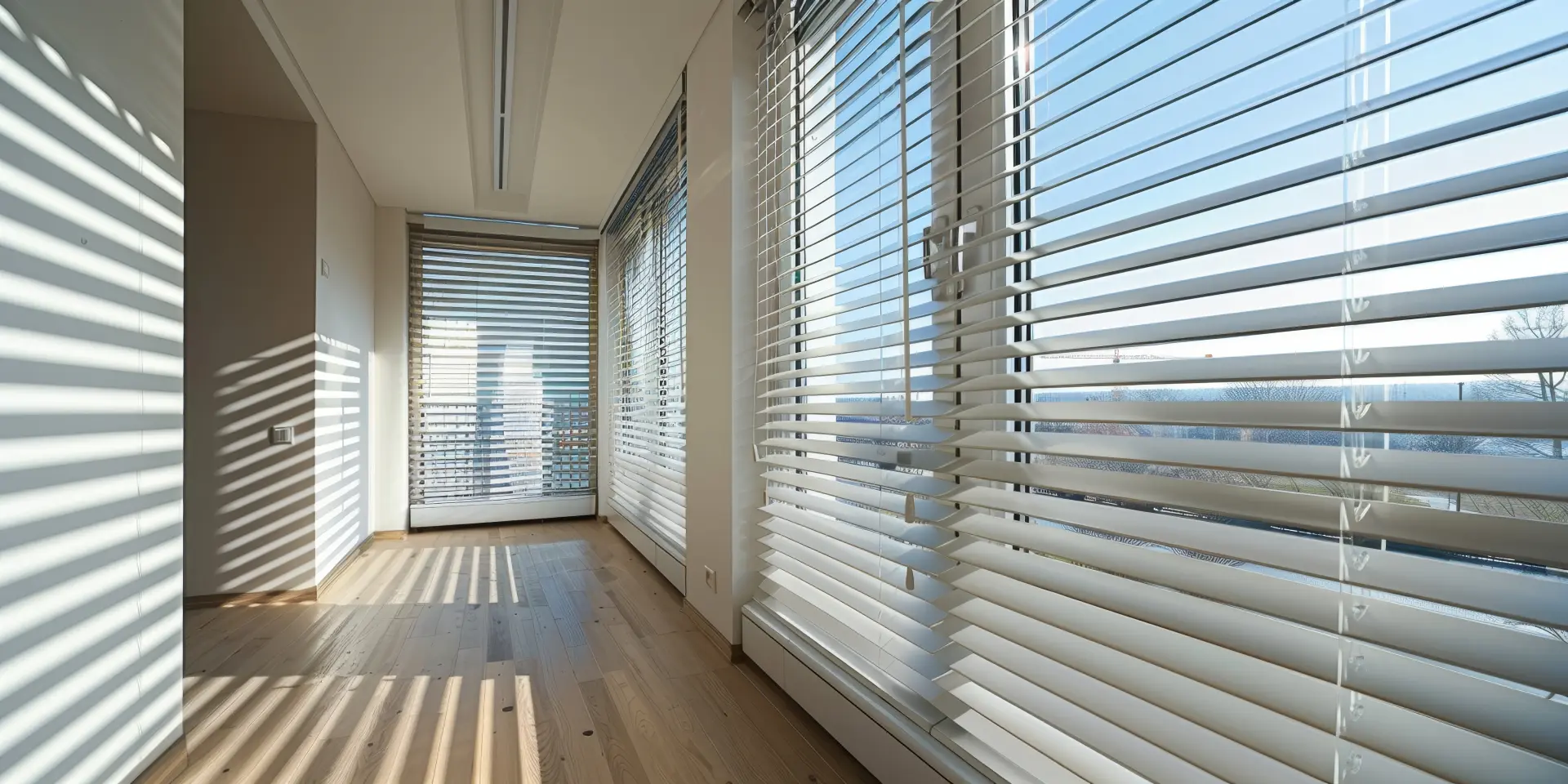
How long do Venetian blinds last? Explore material differences, lifespan tips, and maintenance advice to ensure your window treatments stay in top condition.
Average lifespan of venetian blinds by material
Venetian blinds can provide years of service, but there is no single verified average lifespan that applies to every material and installation. Aluminium resists moisture, real wood needs a dry environment, and faux wood performance depends on its composition and the conditions in the room. Judge the condition of the whole blind, including its brackets and controls, rather than relying on an unsupported number of years.
Room conditions matter as much as the material. Check how the slats close, whether the blind lifts evenly and whether its controls remain secure. A fault in one component does not necessarily mean every part has reached the end of its useful life.
Aluminium venetian blinds: how long they usually last
Aluminium Venetian blinds are relatively light and can suit busy rooms, but their service life depends on slat quality, fitting and handling. Thin slats can crease if knocked, while controls can wear independently of the slats. A straight installation and gentle operation reduce avoidable strain.
What can shorten the life? Bending is the main issue. Slats can crease if they are pushed, caught by pets, or pulled too hard. Moisture is less of a problem than with wood, but constant steam can leave marks if cleaning is ignored. Sunlight can fade some coloured finishes over time, yet the blind will still work.
The parts that usually fail first are the cords, tilt wand, and the small clips inside the headrail. If the blind starts to lift unevenly, sticks when tilting, or makes a rubbing sound, the mechanism may be wearing.
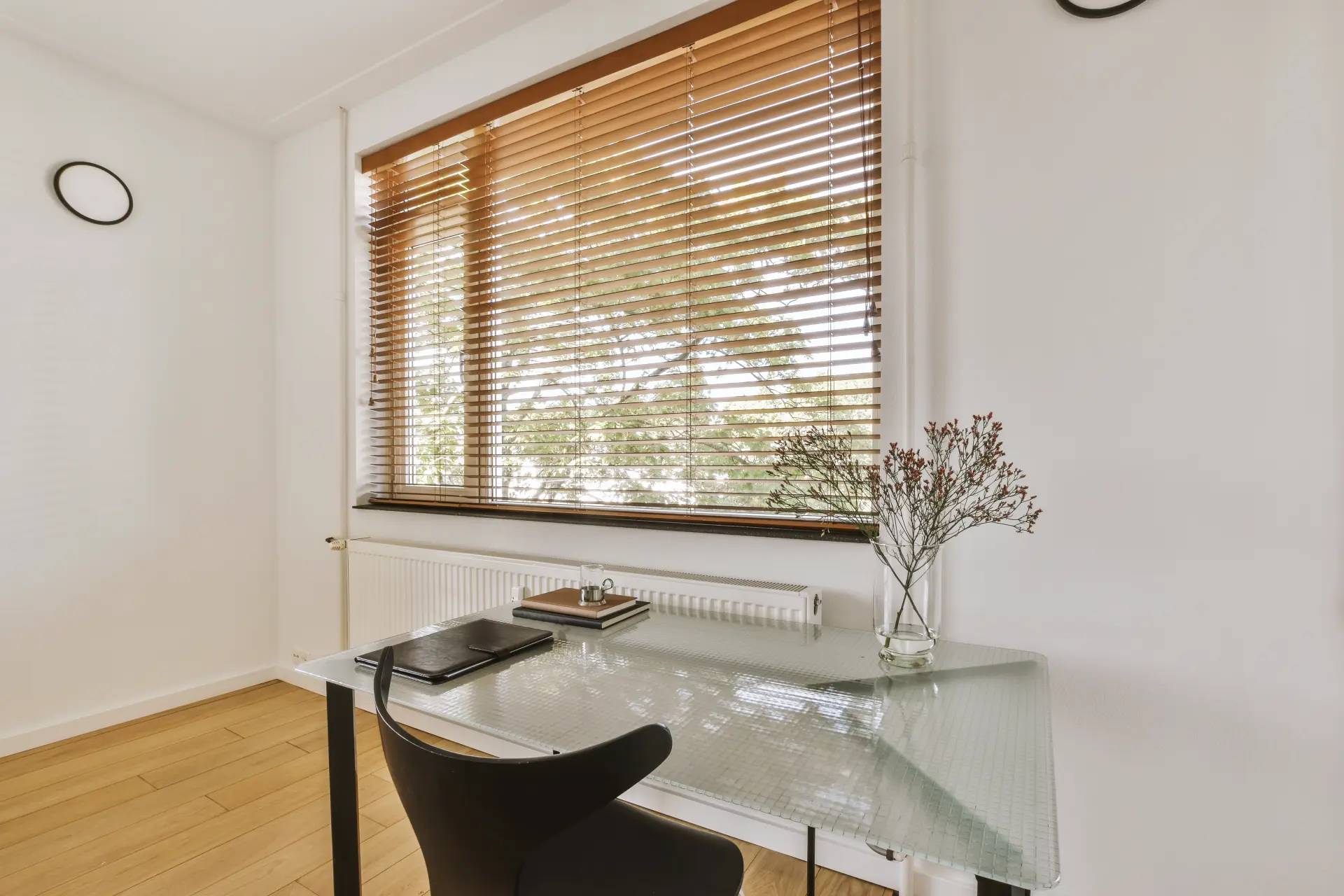
To help them last, dust the slats regularly and wipe with a slightly damp cloth, then dry them. Avoid bleach or rough pads, which can scratch the finish.
Operate the controls gently and keep cords from tangling. Children should not play with blind cords. Keep the specified safety devices fitted and ask a competent fitter to assess damaged or frayed controls.
Repairs are often possible. New cords, ladders, or a replacement wand can bring the blind back to life. If many slats are bent or the headrail is damaged, replacement is usually the better value. Choosing a slightly thicker slat and a better headrail can also improve lifespan, especially on large windows at home.
Wooden venetian blinds: how long they usually last
Wooden Venetian blinds can remain useful for many years in dry bedrooms and living rooms, but an exact lifespan cannot be promised from material alone. Finish, humidity, sunlight and handling all affect their condition. Dust regularly with a soft cloth and follow the manufacturer's care guidance.
Avoid soaking them. Too much water can cause swelling, staining, and peeling. Strong sun can fade the colour and dry the wood, which may lead to slight warping. Use the cords gently, keep them untangled, and open and close the slats without forcing them. A check of screws and brackets each year helps prevent sagging. If a slat chips, touch up paint can protect the surface from moisture.
Faux wood venetian blinds: how long they usually last
Faux wood Venetian blinds use a manufactured material rather than solid timber. They are often chosen for rooms where moisture resistance matters, but this does not make the complete blind waterproof or establish a fixed service life. Follow the product's limits for heat, humidity and cleaning.
These blinds are also heavier than aluminium, so the fitting and the headrail quality matter. If the brackets are weak or the blind is very wide, extra strain can wear out the lifting parts sooner. Pulling the cords at an angle can also cause uneven wear.
To help them last, lift and lower them gently, keep the cords untangled, and wipe the slats with a soft cloth. Avoid strong cleaners that can dull the surface. If a slat chips or cracks, it may be hard to match the colour, but many sets can be kept going by replacing cords, tassels, or the tilt mechanism.
When cared for, faux wood blinds can give a long, steady service without the worries that come with real timber in damp rooms. Heat can still affect faux wood. If the blind sits very close to a radiator or hot cooker area, the slats may bow slightly over time.
Sun can also fade darker colours. Choose a solid headrail, and ask for a support bracket on wide windows. If the blind feels heavy to lift, have it adjusted before cords fray too much.
Signs your venetian blinds are wearing out
Blinds often give small clues before they fail. Look for slats that are bent, cracked, or no longer sit straight when closed. If the blind will not tilt fully, or it tilts unevenly, the inner parts may be wearing out. Frayed cords are a common warning sign, especially if the blind lifts on one side first. You may also notice knots, tangles, or cords that feel stiff.
A headrail that rattles, sticks, or feels loose can point to worn clips or brackets. Faded patches, peeling finishes, and stains that will not wipe away can mean the surface is breaking down. If you keep adjusting it but it never sits level, it is near the end. Safety can be a concern.
Why a lifespan estimate is not a guarantee
A lifespan estimate needs a named evidence source and clear conditions to be useful. Material alone cannot establish a fixed service life for every aluminium, wooden or faux wood Venetian blind. A blind in a dry spare room and one lifted repeatedly beside a steamy window have different conditions. Treat precise lifespan ranges without a named study as estimates rather than measured averages.
When comparing products, ask about the written guarantee, exclusions, spare-part availability and the maximum supported size. A guarantee period describes the supplier's cover; it does not establish the date when a blind will wear out.
Repair the fault rather than replacing by age
Separate cosmetic wear from an operating fault. A compatible replacement wand may address a broken handle, whereas multiple creased slats and a damaged headrail can make a complete replacement more practical. Ask the supplier to identify the model before buying cords, ladders or tilt parts.
Do not assume replacement louvres for vertical blinds will fit a Venetian blind: the slat and carrier systems are different. Compare a repair quotation with a replacement quotation, including fitting, and check whether a repaired blind can still close evenly and operate safely.
Safety can matter before the blind wears out
In RoSPA's 2023 survey, 70% of respondents reported never receiving blind-cord safety advice. This is a safety-awareness figure, not a durability statistic. Read its current guidance on existing blinds.
A pre-2014 blind may need safety improvements despite looking sound. Have it assessed and replace it if it cannot be made safe.
A simple condition check for each room
Check the brackets, smoothness of the tilt action, evenness of the lift and the condition of visible cords. Stop using a blind with a loose fixing, frayed cord or failing control until it has been assessed. Never let a child operate a defective blind.
Keep a note of the fabric or slat finish, model and installation date with your order paperwork. If a problem develops, photographs of the headrail, controls and affected slats help the supplier identify parts. Regular care can reduce avoidable wear, but it cannot restore a cracked component or make an unsuitable fixing secure.
We supply wonderful venetian blinds for your home or business. We offer a wide selection of made to measure venetian blind options for Newport, Cardiff, Bristol, and the surrounding areas.
Venetian blinds have one main advantage when compared to other made to measure blinds. This advantage is that they are an excellent choice for those who wish to precisely control the amount of sunlight entering your windows by adjusting the slats without spoiling the overall view.