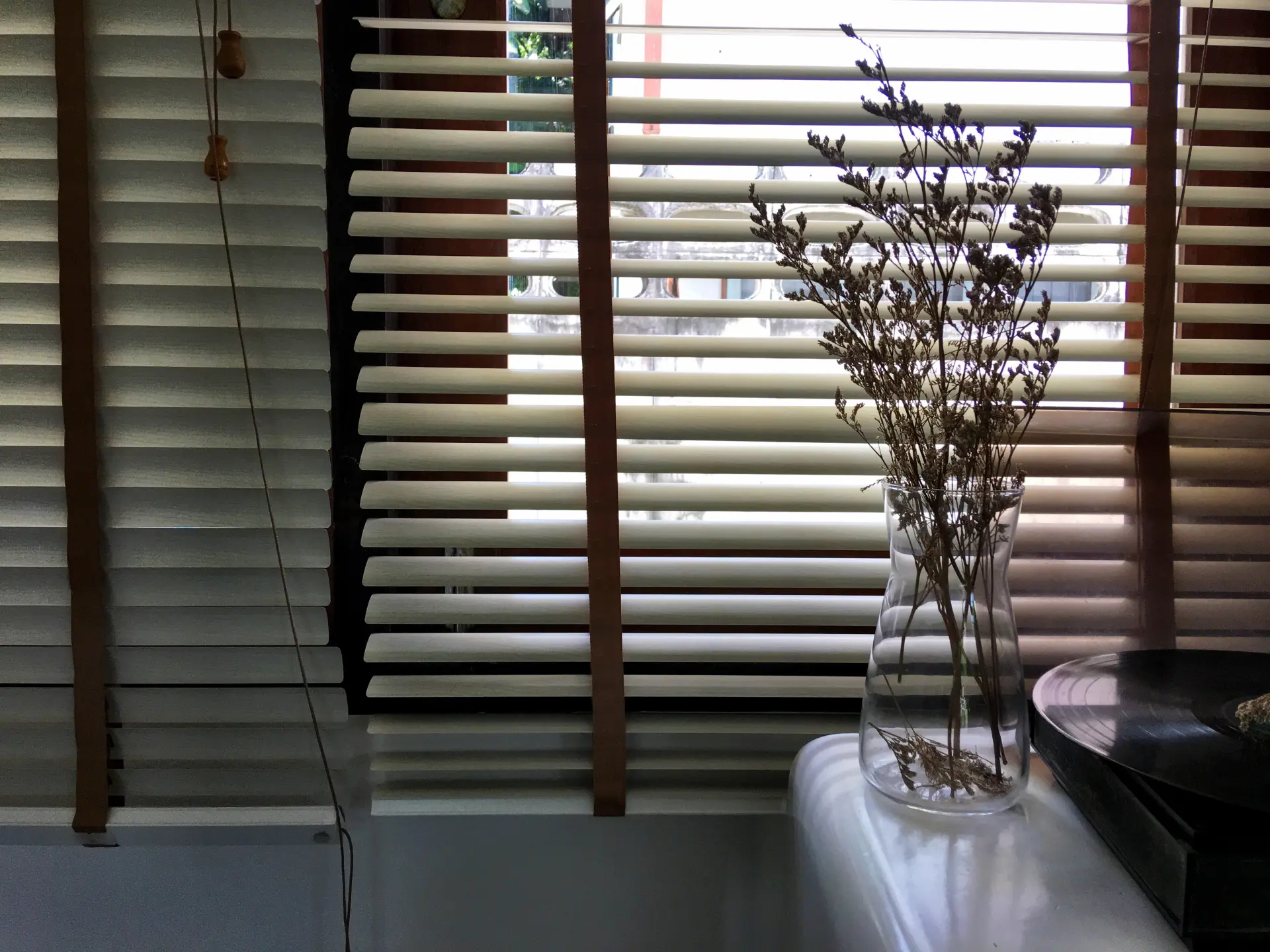
Are Venetian blinds right for your home? Discover how these versatile window treatments offer excellent light control, privacy, and style for any room.
Venetian blinds can be a smart choice for many homes because they give you simple control over light and privacy. You can tilt the slats to soften bright sunshine, or close them fully when you want more comfort and security.
They also suit lots of room styles, from modern to more traditional, and they can work well in spaces like kitchens, bathrooms, living rooms, and bedrooms. If you are wondering whether they are the right fit for your home, it helps to look at how they feel day to day, how easy they are to clean, and what they add to the look of a room.
How venetian blinds control light and privacy
Venetian blinds are made from horizontal slats that you can tilt, raise, or lower. This means that you can change the feel of a room in seconds, without needing to open the window or draw heavy curtains.
This kind of light control is one of the reasons venetian blinds are known as practical window treatments. When the slats are angled upwards, light is directed towards the ceiling. This can help spread daylight across the space and reduce glare on screens. When the slats are angled downwards, they block harsh light and help limit the view from outside.
If you want full access to daylight, you can lift the blind so the window is clear. If you want a darker room, you can close the slats fully and lower the blind to cover the whole window. This quick way to adjust both light and privacy is what many homeowners like most.
Where venetian blinds work best in the home
Venetian blinds work well in many parts of the home because they let you control light and privacy in a simple way. They can make a room feel more comfortable without needing bulky curtains that take up space around the window.

In kitchens, venetians are often a good fit because they are easy to wipe down. Aluminium venetian blinds are a common choice here because they handle moisture well, and splashes can be cleaned without much effort. They also suit smaller windows, where thick curtains can feel heavy and block too much light.
Bathrooms are another suitable place for venetian blinds, as long as you choose the right material. Aluminium is usually the most practical option in damp rooms. Wooden blinds can look lovely, but real wood may warp over time if it is exposed to steam too often.
In living rooms and dining rooms, venetian blinds can help reduce glare while still keeping the window looking clean and neat. They also make it easier to keep privacy in a front room without making the room feel closed in.
Aluminium vs wood vs faux wood: what is the difference?
Venetian blinds come in several materials, but the most common types are aluminium, wood, and faux wood. They all use the same design of horizontal slats, yet they differ in how they look, how they handle moisture, and what they are like over years of use.
Aluminium blinds are light, slim, and often budget-friendly. They provide a clean, modern finish and can be ideal in kitchens and bathrooms. They are also low maintenance, since dust and marks can usually be wiped away quickly. One downside is that aluminium slats can bend if knocked, and some blinds may rattle if a window is open and there is a breeze.
Wooden blinds bring warmth and texture to a room. Many homeowners choose wooden blinds for bedrooms, living rooms, and dining rooms because the wood makes the space feel cosy and stylish. Wood can also match flooring and furniture well. The main thing to remember is that wood does not enjoy damp conditions, so it is not always suitable for bathrooms.
Faux wood blinds are made to look like wood, but they are designed to cope better with moisture. They can be a good middle option if you want a wood style in a room that sometimes gets steamy, or if you want a sturdy blind that is easy to clean.
Choosing the right slat size and finish
When choosing venetian blinds, slat size makes a bigger difference than many people expect. Narrow slats can look sleek and modern, and they can suit smaller windows. Wider slats can feel bolder and can make a window stand out more, which can be perfect if the window is a key feature in the room.
The finish matters too. A matte finish can help reduce shine and give a softer look, while a smooth finish can feel more modern. Wood finishes can bring warmth, while white or neutral shades often keep the room feeling bright. If you want a clean look that suits most styles, a simple neutral finish is often the easiest to live with over time.
How venetian blinds compare to curtains and other blinds
Venetian blinds sit between soft curtains and more fitted blind styles. Curtains can make a room feel cosy, but they can also block light even when you only want a little privacy. Venetian blinds let you adjust the slats, so you can let light in while still keeping the room private.
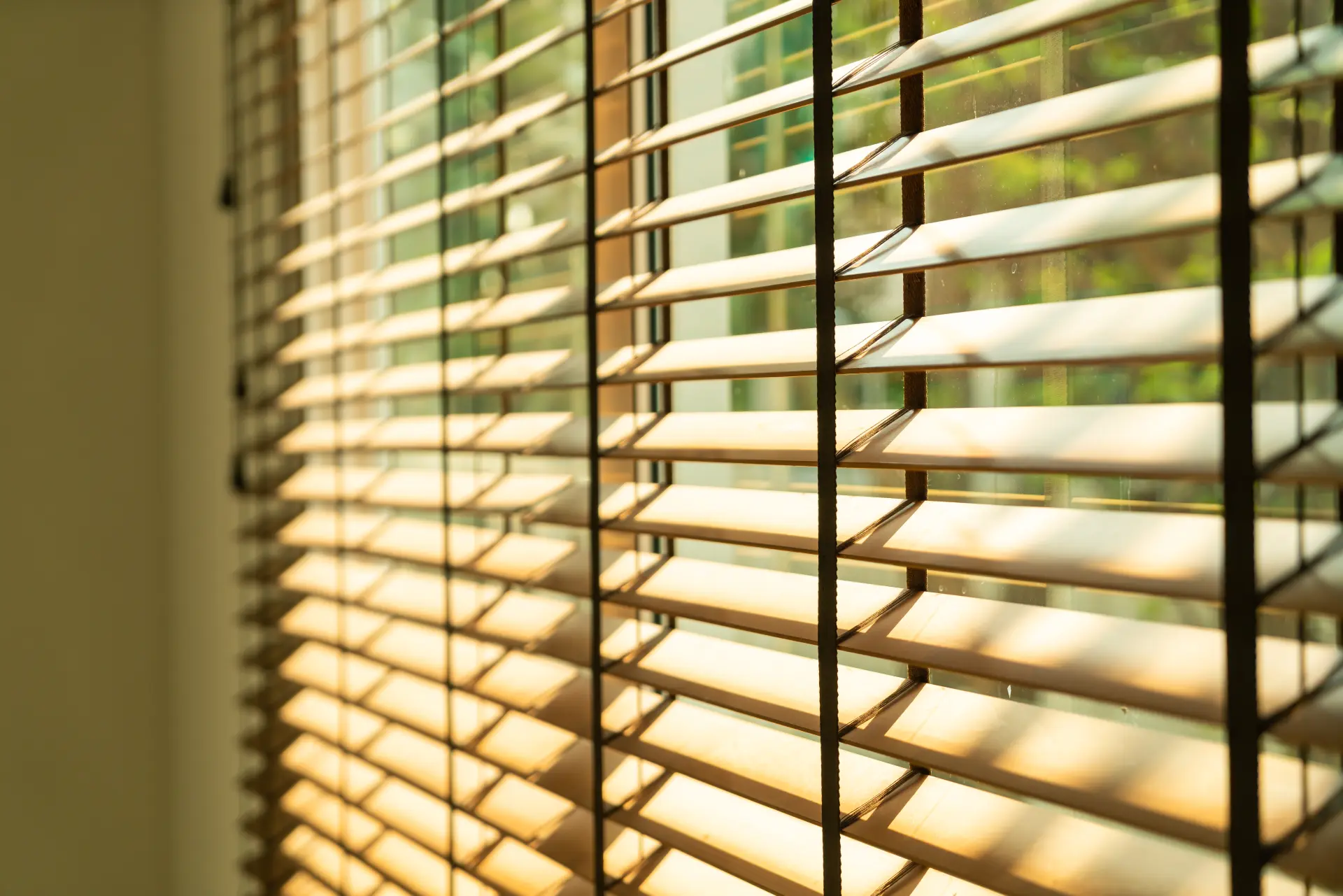
Compared with roller blinds, venetian blinds offer more control through the day. Roller blinds are usually either up or down, which is simple, but not always ideal when you want daylight without a full view into your home. With venetians, you can fine tune the angle of the slats to suit the time of day.
Some homeowners also like that venetian blinds do not take up as much space as curtains around a window. This can make a small room feel less crowded and help keep the window area looking neat.
Cleaning, dust, and low maintenance care
Venetian blinds are often described as low maintenance, but they do still collect dust on the slats. The good news is that cleaning is usually straightforward. A quick dust with a soft cloth, a duster, or a vacuum brush can keep them looking fresh. If you do this little and often, it takes less time than letting dust build up.
In kitchens and bathrooms, wiping down aluminium slats with a lightly damp cloth can help remove marks. For wooden blinds, it is better to use a dry or slightly damp cloth and avoid soaking the slats. Taking care like this helps the blind look good for years and supports longevity.
Measuring and fit: getting the right look
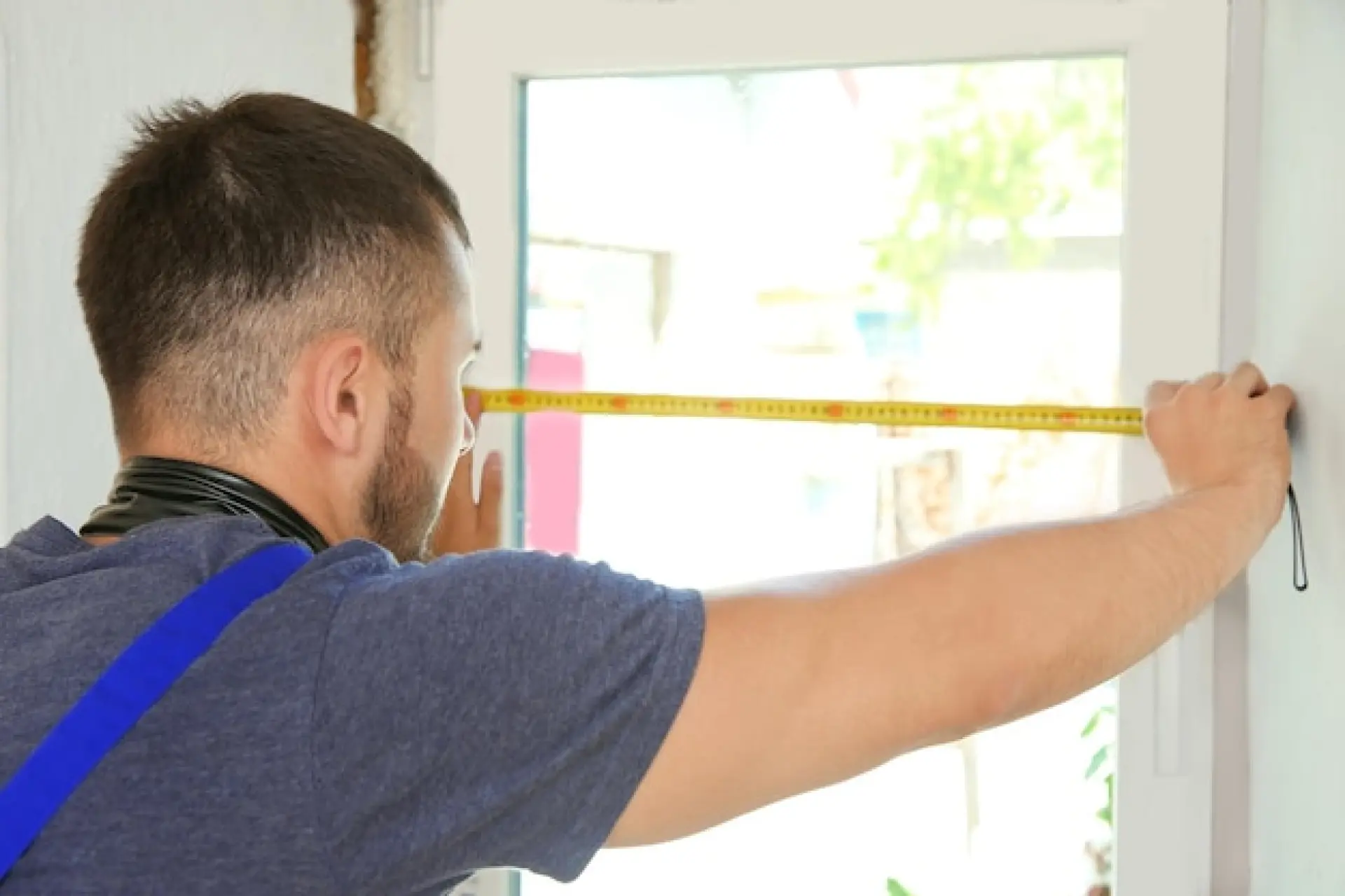
Fit can change how venetian blinds look and how well they work. A blind that is too small can let in extra light around the edges, and it may not give the privacy you expect. A blind that is too large may feel cramped and may not sit neatly in the window space.
As a simple rule, you will usually choose either a fit inside the window recess or a fit over the recess. Inside can look tidy and modern, while over the recess can help block more light. The best choice depends on your window shape and how much light control you want.
Are venetian blinds a good long-term choice?
For many homeowners, venetian blinds are a practical choice because they provide strong light control, they help protect privacy, and they suit a wide range of room styles. They can also last well when you choose the right material for each space and keep up with basic cleaning.
If you want window treatments that look clean, work well in a busy home, and let you adjust daylight without losing privacy, venetian blinds can be a great option. If you prefer a softer look, or you want a full blackout effect without any edge gaps, you might choose curtains or another blind type, or even layer curtains with blinds to get the best of both.
Scorpio Blinds supplies and installs Venetian blinds for homes across Newport, Cardiff, Bristol and Hereford. We can help you choose the right style and finish for each room, and then fit your blinds neatly and safely. Our Venetian blinds give you more control over your light and privacy.